How to Create the Perfect Charcuterie Board Using Chonky Wonky Wood

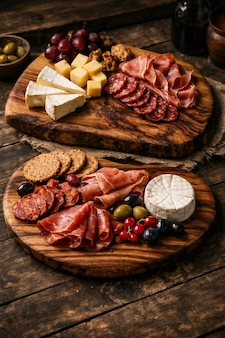

How to Create the Perfect Charcuterie Board Using Chonky Wonky Wood
A beautifully crafted charcuterie board isn’t just food on wood — it’s an experience. It’s the moment guests gather, pause, and admire the colours, textures, and flavours laid out before them. And when that board is handcrafted by Chonky Wonky Wood, the presentation becomes even more memorable.
With 35 years of catering experience, Jason — founder and maker at Chonky Wonky Wood — has spent decades perfecting the art of layout, balance, and presentation. From meats and pastries to fruits, cheeses, and breads, he knows exactly how to build a board that looks incredible and eats even better. Here’s how to create your own show‑stopping charcuterie board using one of his handcrafted live‑edge pieces.
1. Start With the Right Board
A charcuterie board begins with its foundation. Chonky Wonky Wood boards are designed with natural grain, warm tones, and rustic edges that elevate any spread. The live edge adds organic movement, guiding the eye across the layout and giving your food a natural frame.
Choose a board size based on your occasion:
Small boards for intimate gatherings or personal grazing.
Medium boards for family nights or casual hosting.
Large boards for parties, events, or centrepiece displays.
The wood’s character does half the visual work for you — your ingredients simply complete the story.
2. Build Your Anchor Points
Jason’s catering rule: always start with your anchors. These are your largest items — cheeses, ramekins, dips, or pastries — placed first to create structure.
Spread them across the board to form balance:
A soft cheese on one side
A hard cheese opposite
A dip or chutney nestled near the centre
A pastry or bread element to add height
This prevents overcrowding and gives you clear zones to fill later.
3. Add Your Meats With Flow and Shape
With decades of experience in meat presentation, Jason recommends using shape and repetition to create visual rhythm.
Try:
Ribbon folds for salami
Loose rolls for prosciutto
Layered fans for chorizo or pepperoni
Place meats around your anchors, letting them curve naturally with the board’s grain. This creates movement and makes the board feel abundant without being messy.
4. Bring Colour With Fruits and Garnishes
Fruit adds freshness, brightness, and contrast. Jason’s go‑to choices include:
Grapes (classic and easy to place)
Berries for pops of colour
Sliced apples or pears for height
Figs for richness and texture
Tuck fruit into gaps to soften edges and break up heavier sections. A few sprigs of rosemary or thyme add aroma and a rustic finish that pairs beautifully with the wood.
5. Layer in Your Cheeses and Breads
Cheese is the heart of any charcuterie board. Mix textures:
Hard cheeses like cheddar or manchego
Soft cheeses like brie or camembert
Crumbly cheeses like stilton or feta
Jason’s catering tip: pre‑cut a portion of each cheese. It invites guests to dive in without hesitation.
Add breads and crackers last, using them to frame the board. Their neutral tones complement the wood and tie everything together.
6. Fill the Gaps With Personality
The final touches make your board feel complete:
Nuts
Olives
Cornichons
Honeycomb
Chocolate shards
Dried fruit
These small elements fill negative space and add flavour variety. Jason’s presentation style always aims for a board that feels full but intentional — never cluttered.
7. Let the Board Shine
The beauty of a Chonky Wonky Wood board is that it enhances everything placed on it. The grain, the colour, the craftsmanship — they all elevate your food. Keep some areas of the wood visible so guests can appreciate the handmade artistry beneath the spread.
Crafted Food, Crafted Wood
A perfect charcuterie board is a blend of skill, creativity, and quality materials. With Jason’s 35 years of catering experience and the natural beauty of Chonky Wonky Wood boards, you’re already halfway to perfection. The rest is simply enjoying the process — and the delicious results.
FAQS
A handcrafted wooden board with natural grain and a generous surface area works best. Live‑edge boards from Chonky Wonky Wood add character and movement, helping guide the layout while giving your food a rustic, elevated presentation.
Start with your anchor items — cheeses, dips, or pastries — and space them evenly across the board. Then add meats, fruits, and breads to create flow and colour. Aim for a mix of textures, shapes, and heights so the board feels full but intentional.
A great board includes a mix of savoury, sweet, and fresh elements. Think cured meats, soft and hard cheeses, seasonal fruits, chutneys, nuts, crackers, and artisan breads. Adding herbs or edible flowers gives a final touch of colour and aroma.
Use repetition and shape to create visual rhythm — folded meats, layered cheese slices, and neatly grouped fruits. Leave pockets of visible wood to showcase the craftsmanship of your board, and finish with small garnishes to tie everything together.