Wood is better than plastic


Wood is better than plastic!
When it comes to choosing the right chopping board for your kitchen, the debate usually lands on two materials: wood and plastic. At Chonky Wonky Wood, we’re proudly biased — and for good reason. A handcrafted wooden board isn’t just a kitchen tool; it’s a long‑lasting, hygienic, knife‑friendly, naturally beautiful piece of functional art. And unlike plastic, no two Chonky Wonky Wood boards will ever be the same.
Below is your full guide to why wood beats plastic in hygiene, knife care, everyday use, sustainability, and aesthetics.
Quick Takeaway
Wood is safer, kinder to knives, more durable, more sustainable, and far more beautiful than plastic. Scientific studies show that hardwood boards naturally inhibit bacteria, while plastic boards trap it in knife scars.
1. Hygiene: Wood Is Naturally Antibacterial
One of the biggest myths is that plastic is more hygienic. In reality, the opposite is true.
Why wood wins:
Hardwoods like beech, maple, walnut, and sweet chestnut have natural antibacterial properties.
When bacteria enter the wood’s surface, they become trapped and die off rather than multiply.
Plastic boards develop deep knife grooves, which harbour bacteria even after washing.
Multiple studies show plastic boards often retain more bacteria than wooden ones after cleaning.
Wood is a living, natural material — and that’s exactly why it keeps your kitchen safer.
2. Knife Care: Wood Protects Your Blades
Plastic is soft, but it’s also grabby. It dulls knives faster because the blade catches and drags through the material.
Hardwood boards offer:
Smooth, forgiving surfaces
Less resistance on the blade
Longer knife life
Cleaner cuts and safer chopping
Maple, beech, walnut, and sweet chestnut are all ideal for everyday knife use. Oak is great for heavy carving, but the Chonky Wonky Wood range focuses on woods that balance hardness with knife friendliness.
3. Everyday Use: Wood Lasts Longer and Ages Better
Plastic boards warp, stain, crack, and eventually end up in landfill. Wooden boards — especially thick, chonky ones — last for years, even decades.
Wood offers:
Superior durability
Easy maintenance (a quick oil every few weeks)
Repairability (a light sand restores the surface)
Stability and weight for safer chopping
A Chonky Wonky Wood board is built to be used, loved, and passed down — not thrown away.
4. Sustainability: Wood Is the Eco‑Friendly Choice
Plastic is made from fossil fuels and contributes to microplastic pollution. Wood is renewable, biodegradable, and responsibly sourced.
At Chonky Wonky Wood:
We use UK hardwoods wherever possible
We prioritise sustainable forestry
We avoid plastics entirely
We craft boards designed to last, not be replaced
Choosing wood means choosing a cleaner planet.
5. Aesthetics: Nothing Beats Natural Grain
Plastic boards look… like plastic boards. Wood, on the other hand, brings warmth, character, and craftsmanship into your kitchen.
Every Chonky Wonky Wood board is:
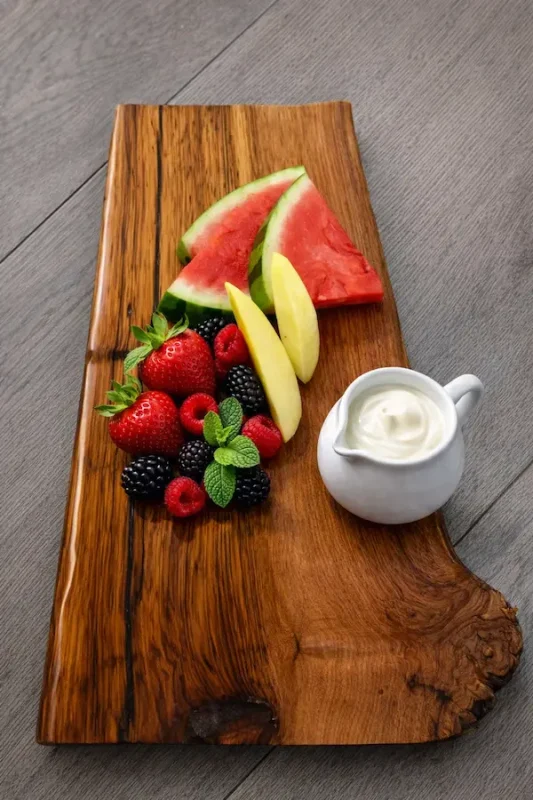
Unique in grain pattern
Unique in colour tone
Unique in character
Hand‑finished to highlight natural beauty
Because wood is a natural material, no two pieces can ever be identical — and that’s the magic. Your board is yours alone.
6. Why Chonky Wonky Wood Boards Stand Out
Our boards are:
Handmade in the UK
Crafted from premium hardwoods
Designed for daily use
Finished with food‑safe oils
Built thick, solid, and satisfyingly chonky
Created with care, character, and craftsmanship
Whether you choose maple, beech, walnut, sweet chestnut, or another UK hardwood, you’re getting a board that’s safer, stronger, and more beautiful than any plastic alternative.
Final Verdict: Wood Is Better Than Plastic — Every Time
For hygiene, knife care, everyday use, sustainability, and aesthetics, wood wins. And when that wood is shaped by Chonky Wonky Wood, you’re not just buying a chopping board — you’re investing in a handcrafted piece of functional art that’s built to last and impossible to replicate.
Plus not to mention every time a plastic board is used and chopped into. Then washed micro plastics are washed down the sink hole .Causing issues for our marine environment
FAQS
Wood has natural antibacterial properties that help trap and kill bacteria within the fibres. Plastic boards develop deep knife grooves that harbour bacteria, even after washing, making wood the safer long‑term option.
Yes. Wooden boards are gentler on knife edges because the surface gives slightly under pressure. Plastic tends to grab the blade, causing it to dull faster. Using wood helps keep your knives sharper for longer.
A well‑cared‑for wooden board can last for decades. Plastic boards stain, warp, crack, and eventually need replacing. Wood can be sanded, re‑oiled, and refreshed, making it a durable, sustainable choice.
Wood is a natural material with unique grain patterns, colours, and textures. Every board has its own character shaped by the tree it came from. This means each Chonky Wonky Wood piece is completely one‑of‑a‑kind.



3 thoughts on “Wood is better than plastic”